Winter Yoga Routine for Australian Practitioners
Komal Bhagwani
Winter in Australia is the perfect time to deepen your yoga practice. With cooler temperatures and shorter days, there's something naturally inviting about rolling out your mat indoors and moving mindfully. Whether you're a seasoned yogi or just getting started, this winter yoga routine is designed to warm you from the inside out — no heated studio required.
Why Winter Is a Great Time for Yoga
The cooler months naturally draw us inward. In yoga philosophy, winter aligns with a time of rest, reflection, and restoration. A consistent indoor yoga practice during winter can help maintain flexibility (muscles tighten in the cold), support immune function, reduce seasonal stress, and keep your energy levels steady through the shorter days.
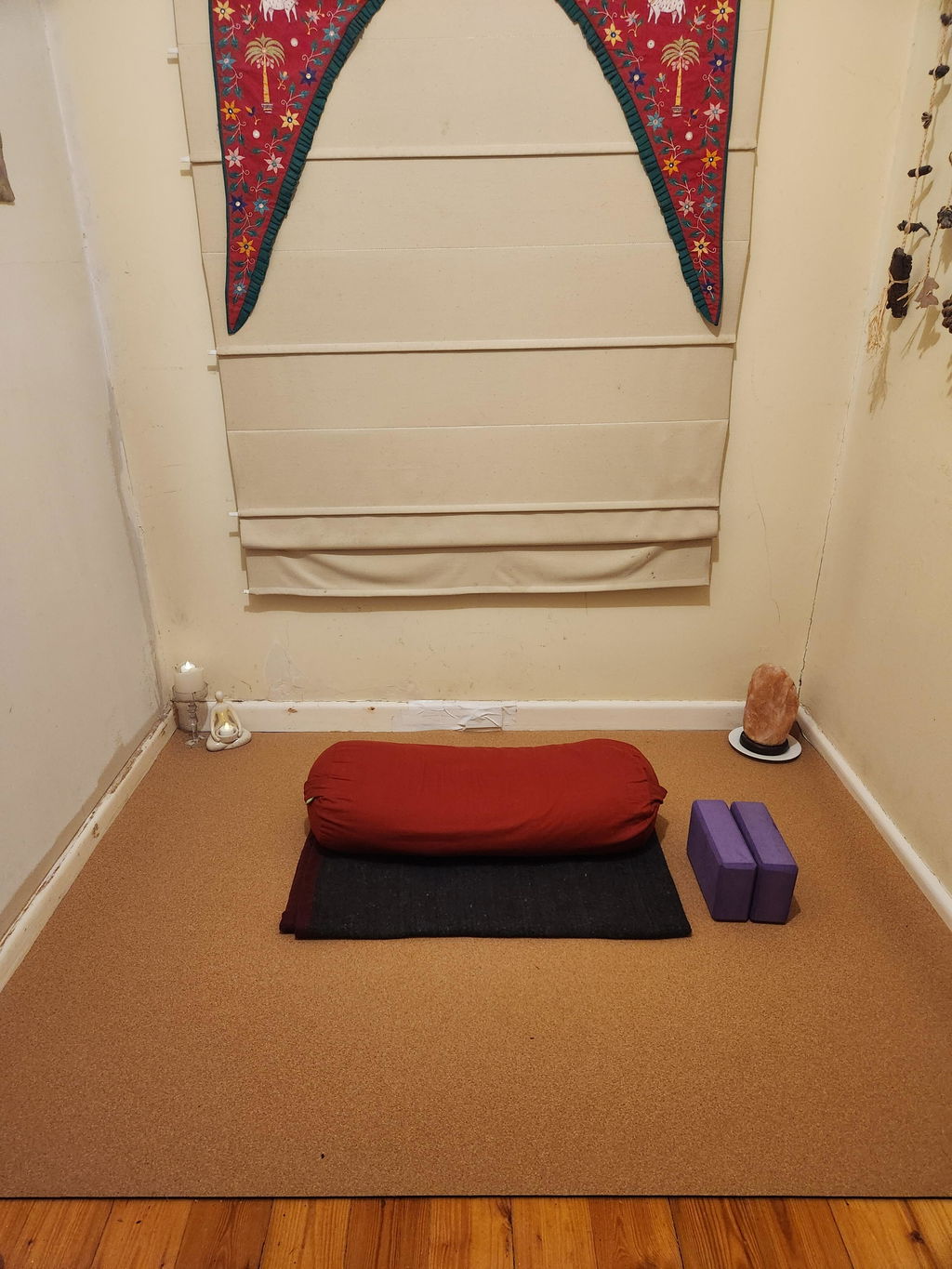
The key is creating a warm, comfortable space at home — and having the right props to support your practice.
What You'll Need
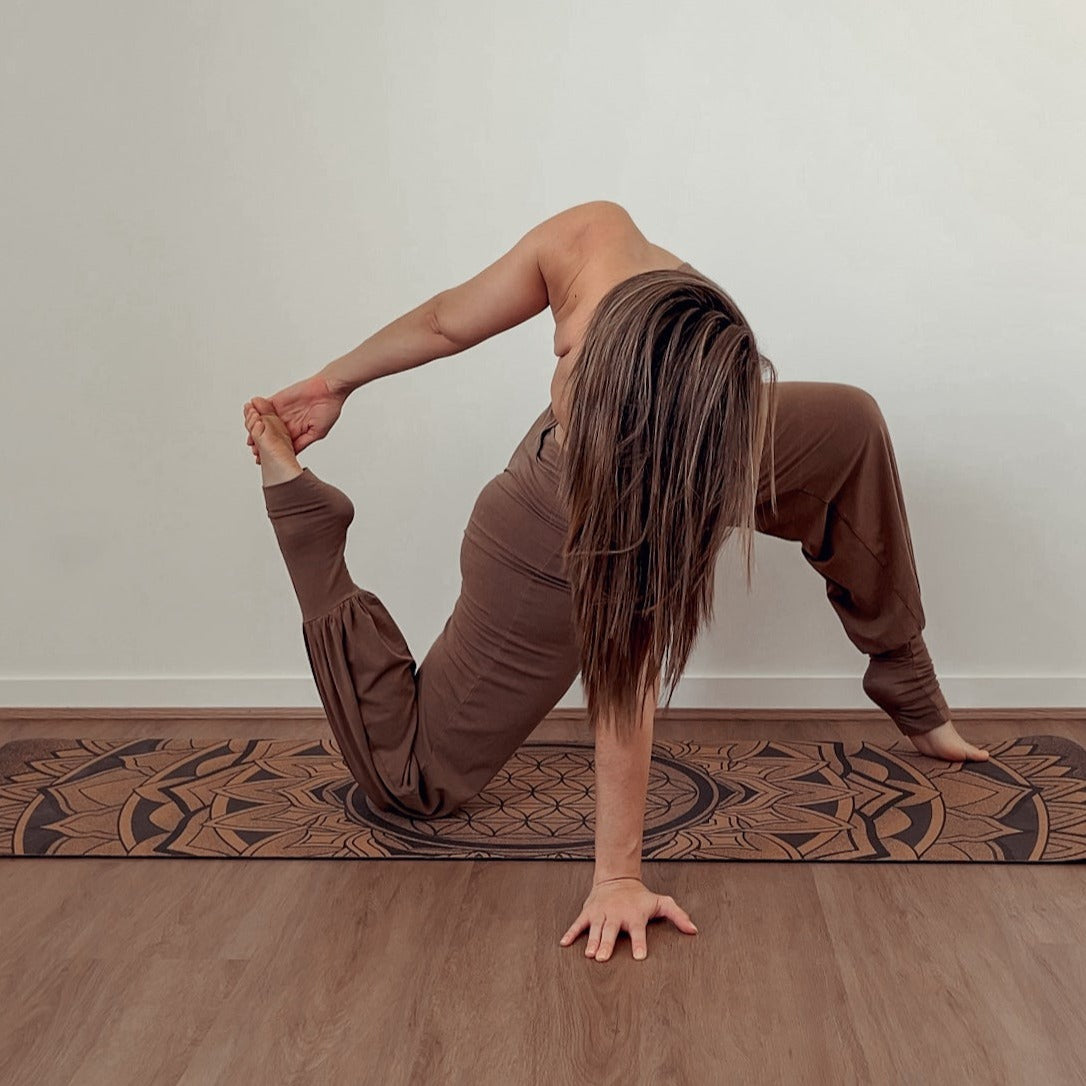
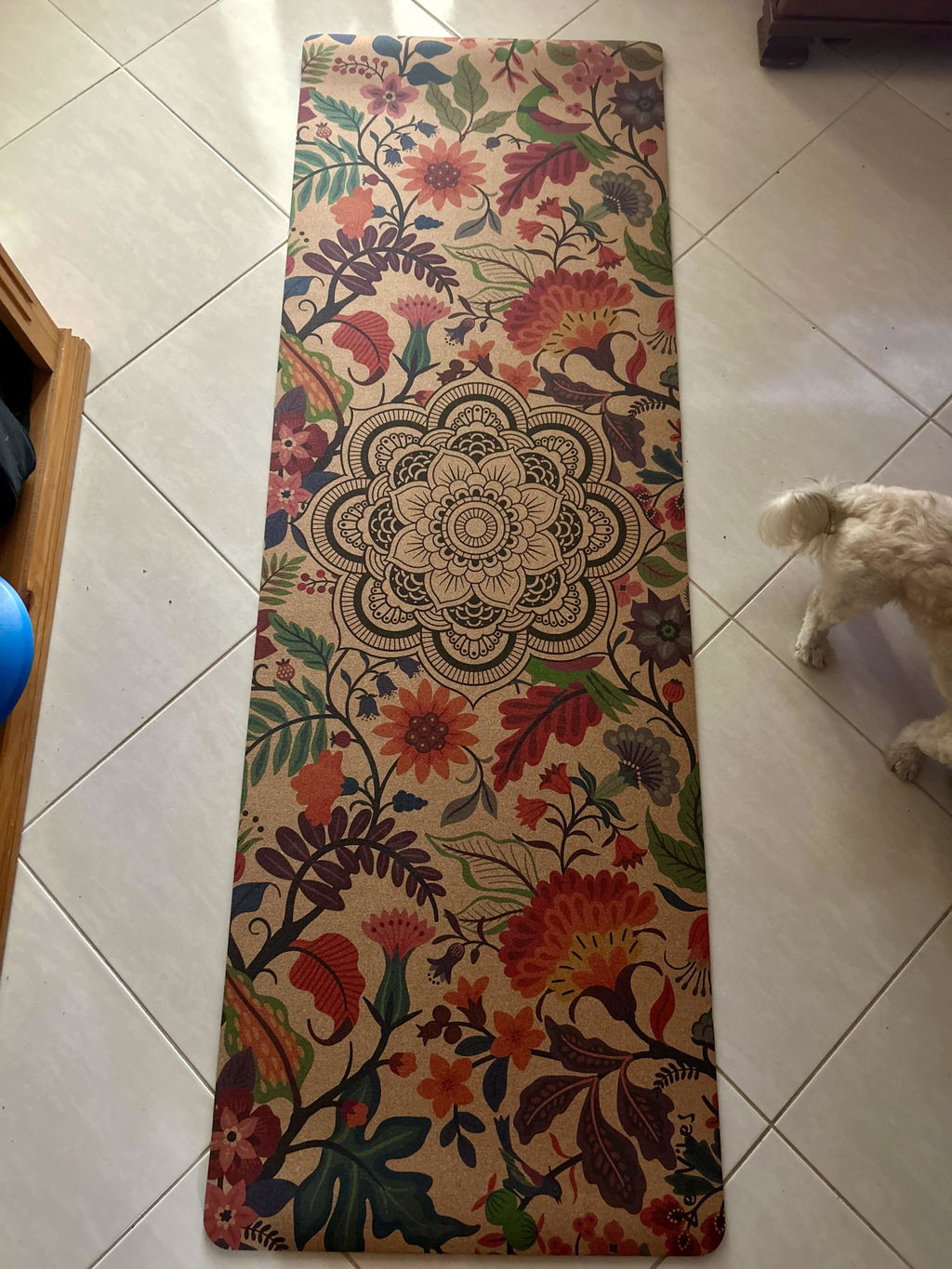
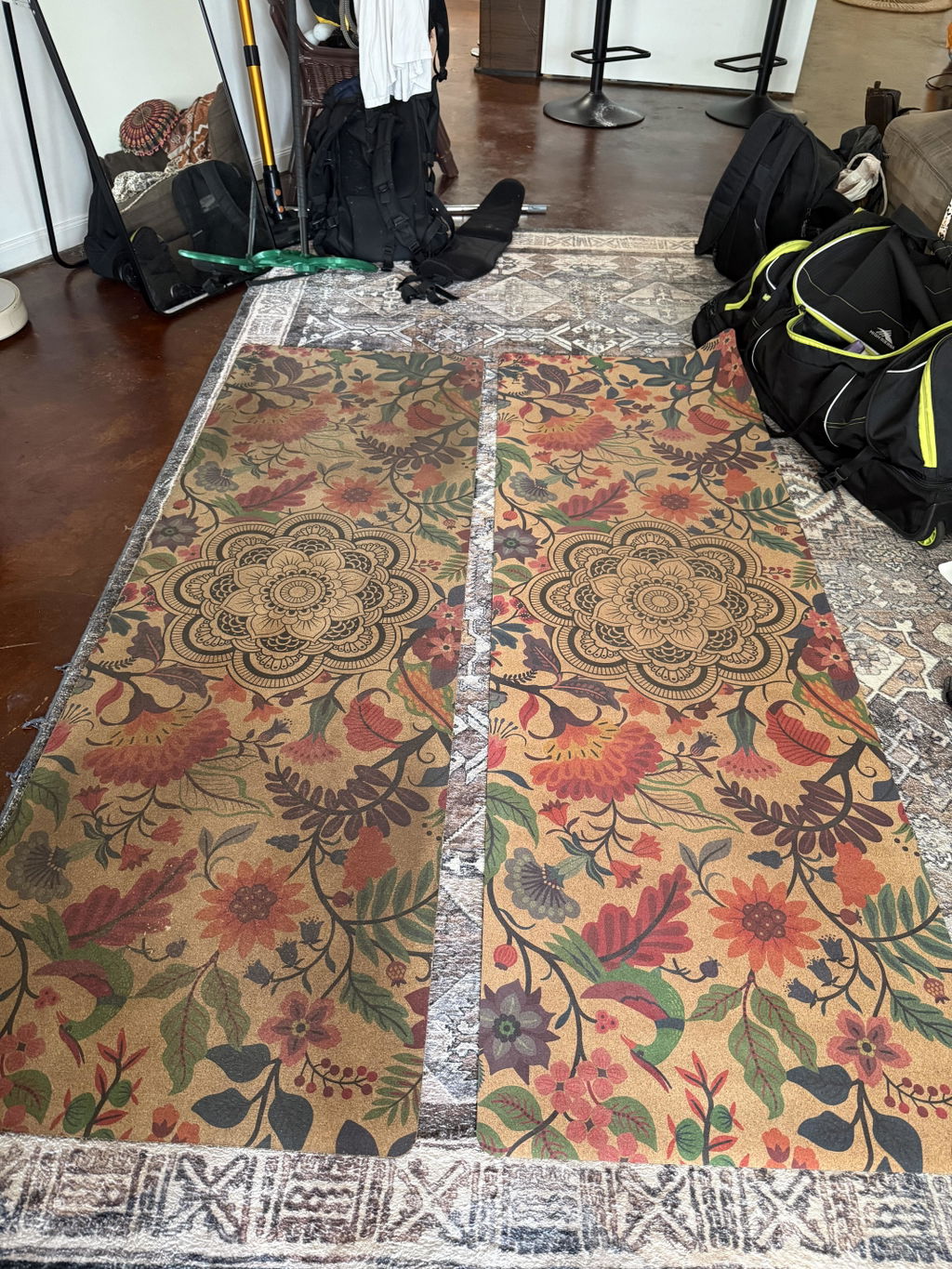
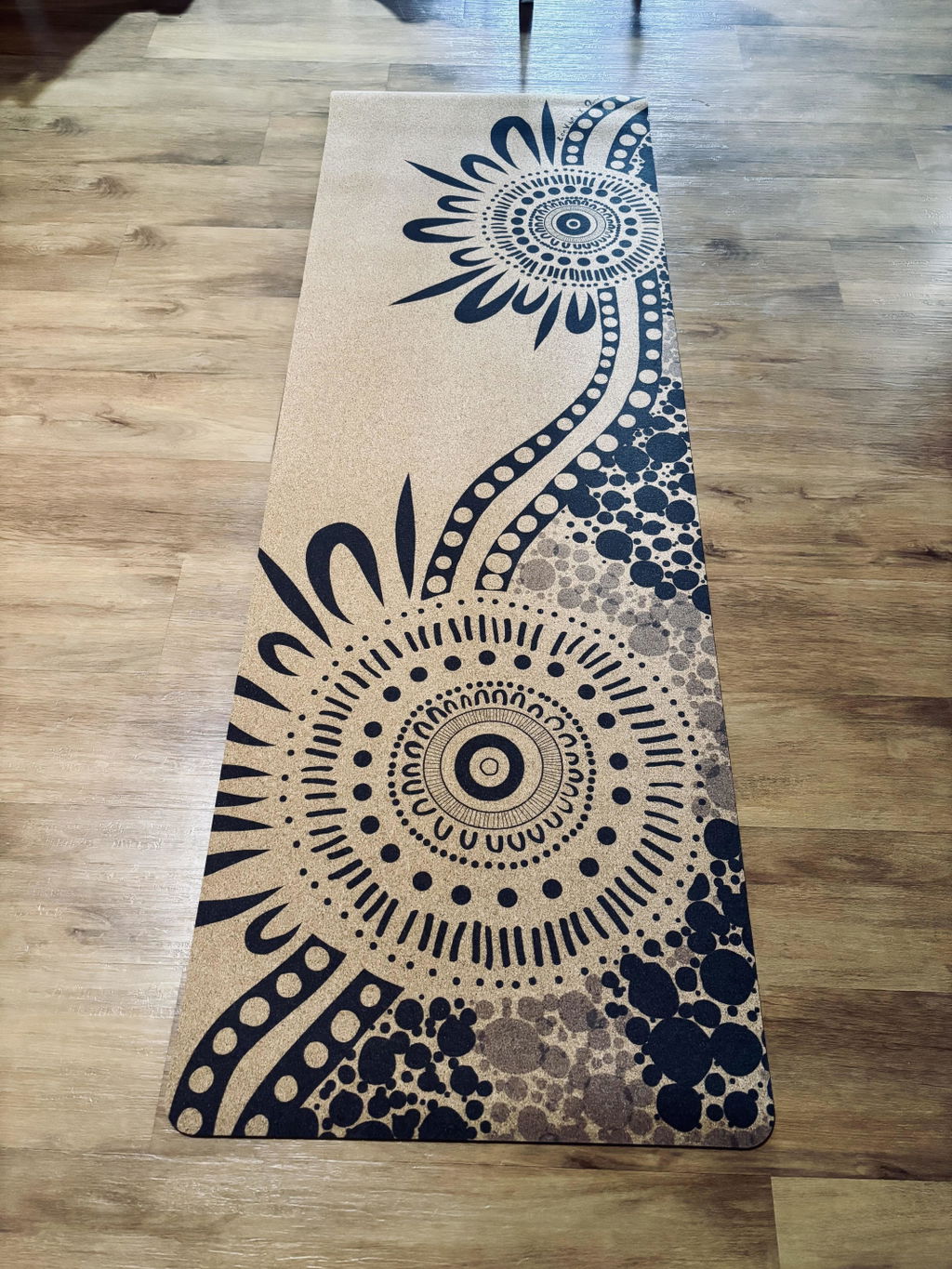
- A supportive, non-slip yoga mat — a cork yoga mat is ideal as cork naturally warms to your body temperature and provides excellent grip even in cooler conditions
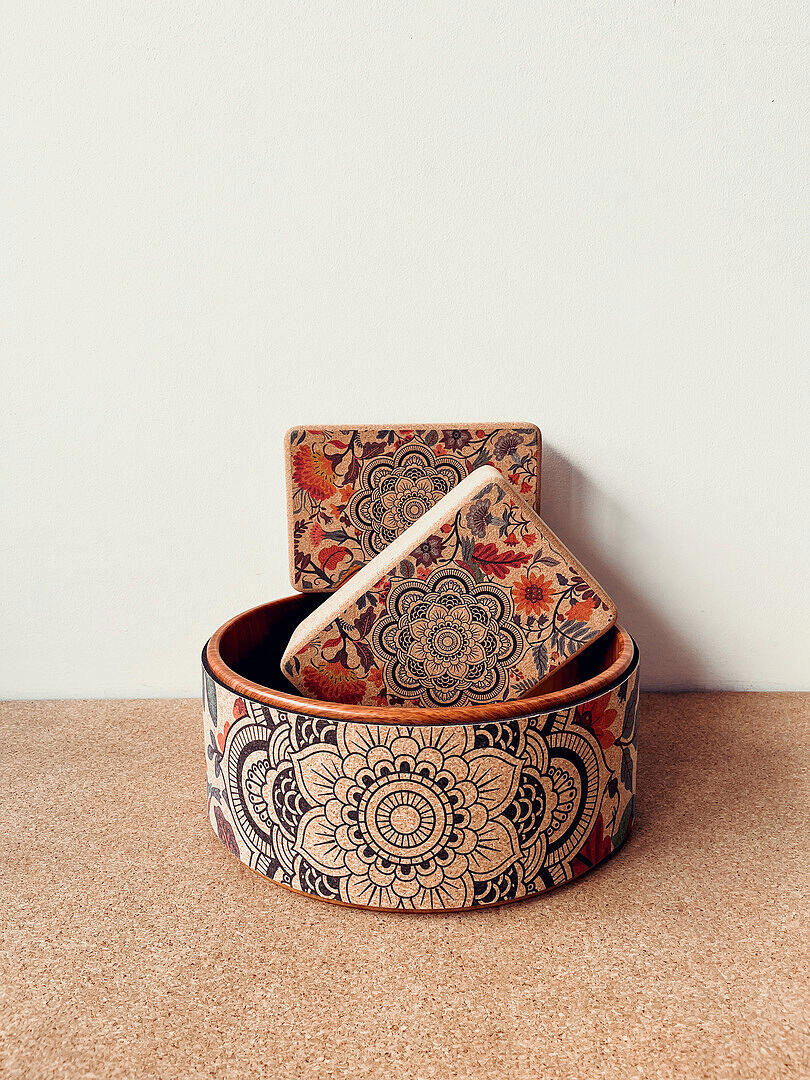
- Cork yoga blocks for support and alignment in deeper poses
- A blanket or bolster for restorative poses
- Comfortable, layered clothing you can remove as you warm up
Your Winter Yoga Routine: 6 Poses for a Gentle Indoor Flow
This sequence is designed to gently warm the body, open tight areas, and leave you feeling grounded and calm. Hold each pose for 5–8 breaths unless otherwise noted.
1. Child's Pose (Balasana) — 10 breaths
Start here to arrive on your mat and settle your mind. From a kneeling position, sink your hips back toward your heels and extend your arms forward, resting your forehead on the mat. This gentle opener releases tension in the lower back and hips — areas that tend to hold extra tightness in winter.
Prop tip: Place a folded blanket between your thighs and calves for extra comfort if your hips don't easily reach your heels.
2. Cat-Cow (Marjaryasana-Bitilasana) — 8–10 rounds
Come onto all fours with wrists under shoulders and knees under hips. Inhale to drop your belly, lift your chest and tailbone (Cow). Exhale to round your spine toward the ceiling, tucking chin and tailbone (Cat). This flowing movement warms the spine beautifully and is a perfect antidote to winter stiffness.
3. Low Lunge (Anjaneyasana)
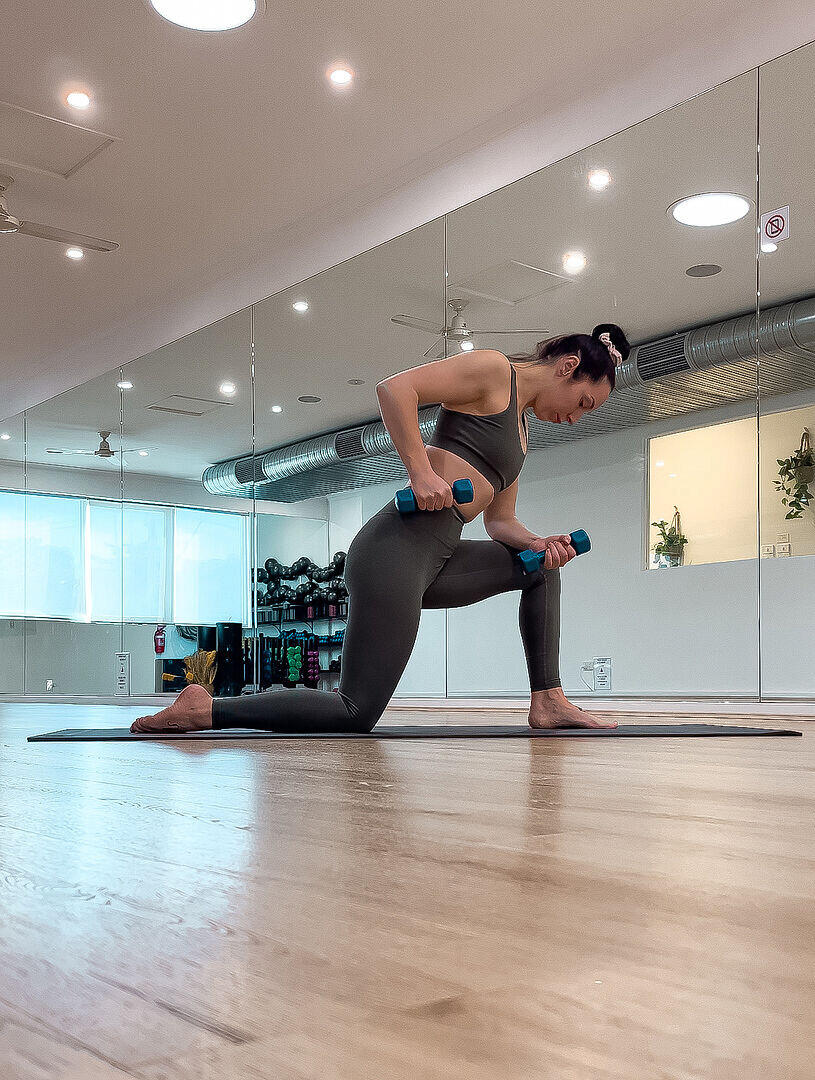
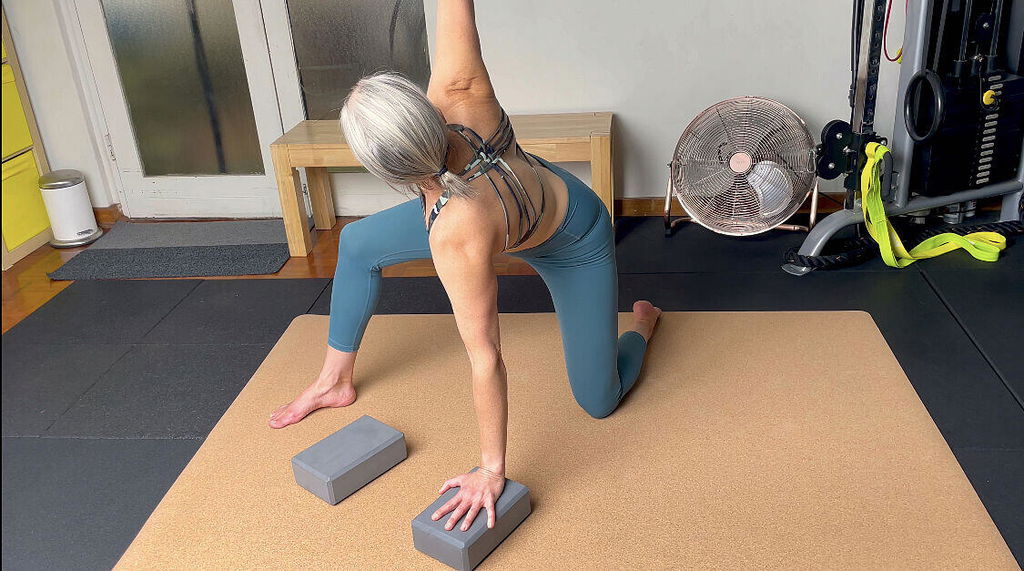
Step your right foot forward between your hands and lower your left knee to the mat. Sink your hips forward and down, feeling a deep stretch through the left hip flexor. Raise your arms overhead if comfortable. Hip flexors tighten significantly in winter — especially if you're spending more time sitting indoors — so this pose is essential.
Prop tip: Place a cork yoga block under each hand if the floor feels too far away. The firm, natural surface of cork provides stable support without slipping. Repeat on the other side.
4. Warrior II (Virabhadrasana II)
From standing, step your feet wide apart. Turn your right foot out 90° and your left foot in slightly. Bend your right knee over your right ankle and extend your arms out to the sides, gazing over your right fingertips. Warrior II builds heat, strengthens the legs, and cultivates focus — all things we need a little more of in winter.
Hold for 6–8 breaths, then switch sides.
5. Seated Forward Fold (Paschimottanasana)
Sit on your mat with legs extended in front of you. Inhale to lengthen your spine, then exhale and hinge forward from the hips, reaching toward your feet. This pose deeply stretches the hamstrings and lower back, and has a calming effect on the nervous system — perfect for winding down on a winter evening.
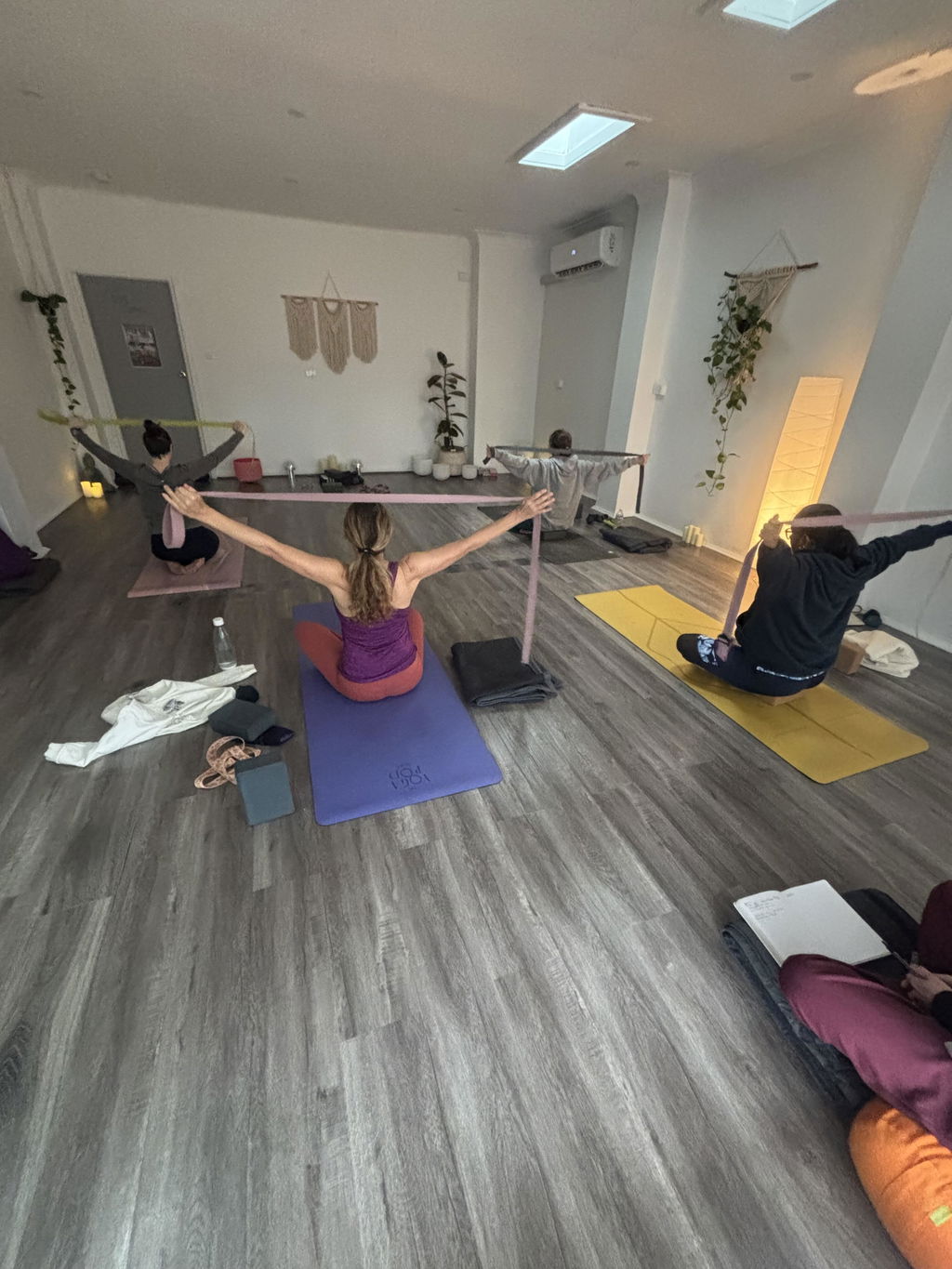
Prop tip: Loop a yoga strap around the soles of your feet if you can't comfortably reach them. This allows you to maintain a long spine rather than rounding your back.
Cork mat advantage: The natural texture of a Zenvibes cork yoga mat provides just the right amount of grip for seated poses, keeping you stable without the sticky feeling of rubber mats.
6. Supine Twist (Supta Matsyendrasana)
Lie on your back, draw your right knee to your chest, then guide it across your body to the left. Extend your right arm out to the side and gaze right. This gentle spinal twist wrings out tension accumulated through the day and supports healthy digestion — a bonus during the heavier eating that often comes with winter. Hold for 8 breaths each side.
Finishing Your Practice: Savasana
Never skip Savasana, especially in winter. Lie flat on your back, cover yourself with a blanket, and allow your body to fully absorb the benefits of your practice. Stay here for at least 5 minutes. This is where the real magic happens.
Tips for a Consistent Winter Practice
- Set up your space the night before. Roll out your mat, set out your blocks, and remove any barriers to showing up.
- Practice in the morning to set a positive tone for the day, or in the evening to decompress.
- Keep it short if needed. Even 20 minutes of intentional movement is better than skipping altogether.
- Invest in quality props. A non-slip, naturally antimicrobial cork mat means you can practice confidently on any surface — no cold, slippery mat to contend with.
Why Cork Is the Ideal Winter Yoga Companion
Cork is a remarkable natural material that actually performs better in cooler conditions. Unlike synthetic rubber mats that can feel cold and stiff, cork warms quickly to your body heat and maintains its grip whether your hands are dry or slightly damp. It's also naturally antimicrobial — important when you're practicing indoors more frequently.
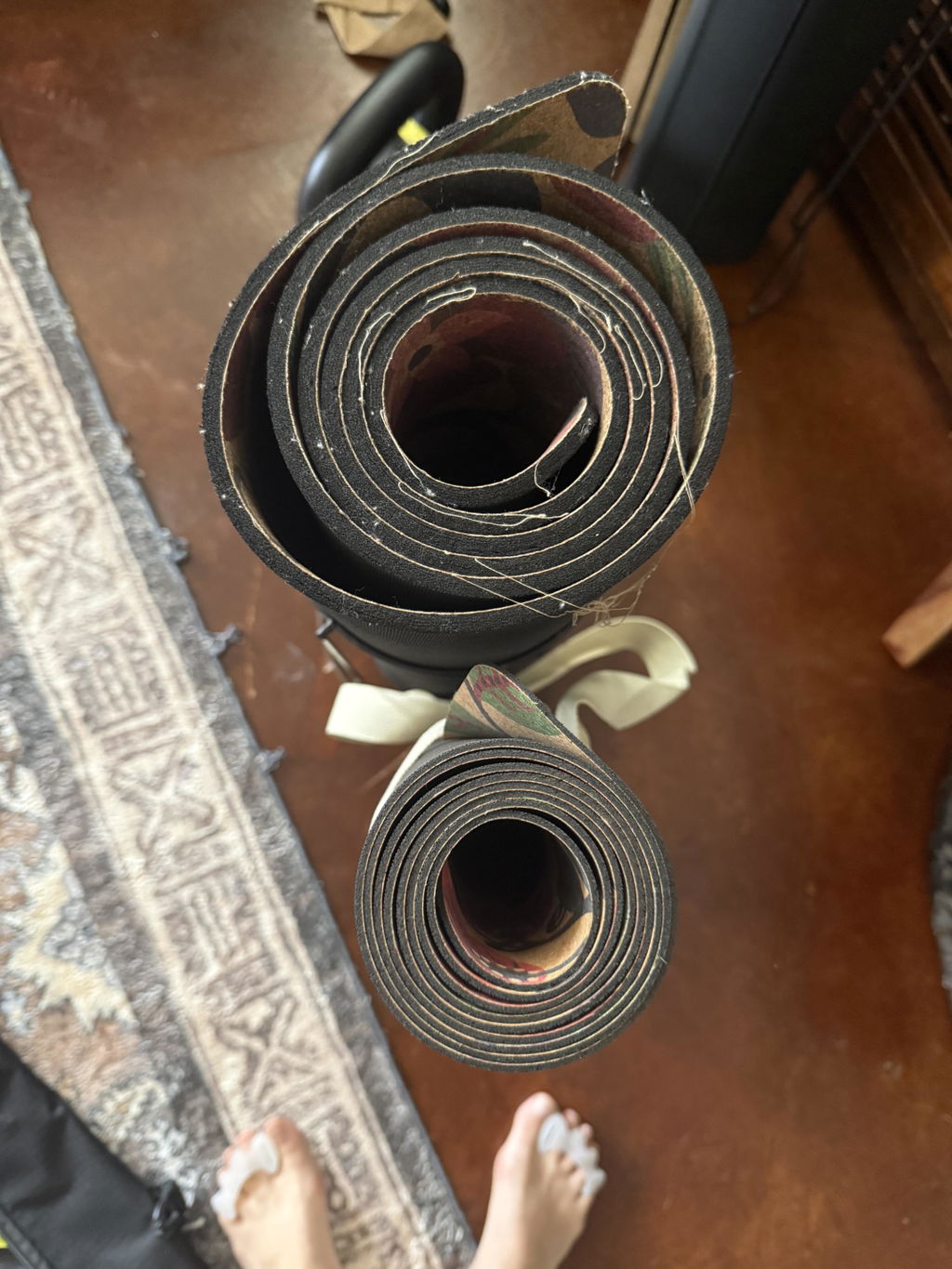
Our Zenvibes cork yoga mats are available in 5mm and 7mm thickness, so you can choose the level of cushioning that suits your practice and your joints. Pair them with our 100% natural cork yoga blocks for a fully supported, stable practice all winter long.
Ready to Elevate Your Winter Practice?
Shop our range of cork yoga mats and blocks — designed for Australian practitioners who want to practice with confidence, comfort, and sustainability in mind.